


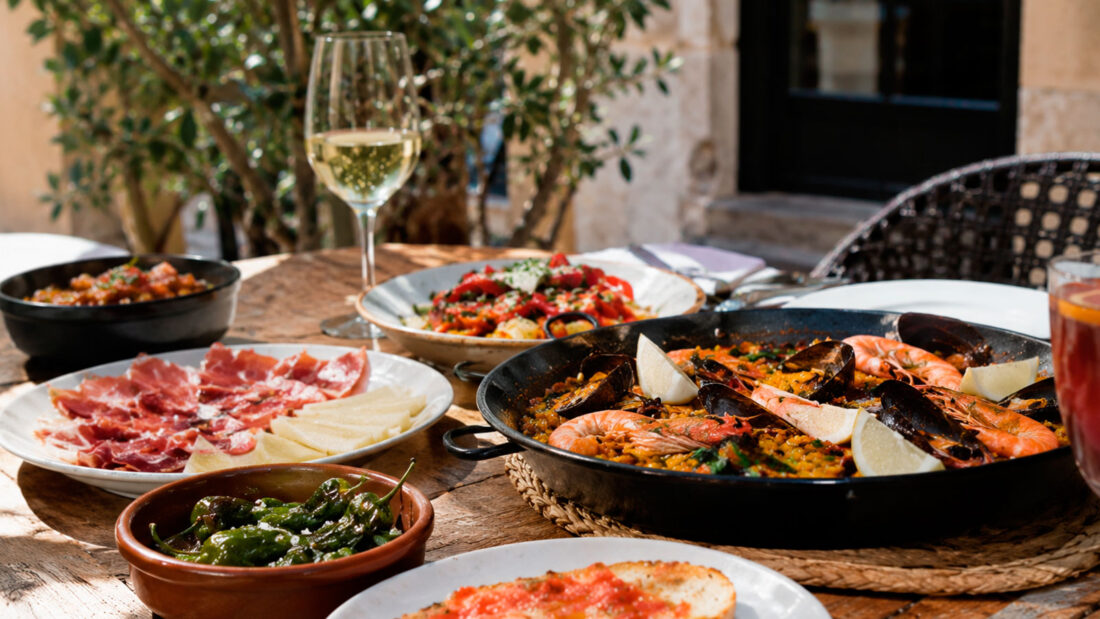
What to eat in Barcelona: 10 Catalan and Spanish dishes you should try
Enjoy Catalan and Spanish dishes during your stay in Bracelona
Barcelona is a great city to explore through its food. From simple toasted bread rubbed with ripe tomato to seafood rice dishes and traditional desserts, the local cuisine reflects Catalan traditions and the wider flavours of Spain. If you are visiting for the first time, knowing what to eat in Barcelona will help you make the most of every meal.
Many traditional dishes are made with a few carefully chosen ingredients, seasonal vegetables, olive oil, fish, meat and pulses. Others are designed for sharing, making them ideal for a relaxed lunch or dinner after a day exploring the city.
Here are 10 Catalan and Spanish dishes worth looking for during your stay, together with tips on what they contain and how to enjoy them.
1. Pa amb tomàquet: Catalonia’s iconic tomato bread
Pa amb tomàquet is one of the simplest and most recognisable examples of Catalan cuisine. It is made by rubbing ripe tomato onto bread, usually adding olive oil and salt. The bread may be toasted, and some versions include garlic.
Although the ingredients are simple, the quality of the bread, tomato and olive oil makes a difference. Pa amb tomàquet is often served as a starter or alongside cured meats, cheese, omelettes and other tapas.
Where to try it: Look for it on traditional Catalan menus, in tapas bars and as an accompaniment to a meal. It is an easy way to start exploring local food.
Find out more about this local speciality on the official Barcelona tourism guide to pa amb tomàquet.
2. Escalivada: roasted Mediterranean vegetables
Escalivada is a traditional Catalan dish made with roasted vegetables, typically aubergine, red pepper and onion. After roasting, the vegetables are peeled, cut into strips and dressed with olive oil and seasoning.
The roasting gives the vegetables a smoky, sweet flavour, while the olive oil adds richness. Escalivada can be served as a starter, a side dish or part of a selection of shared plates. Some versions include anchovies, making it a good option to check carefully if you follow a vegetarian diet.
Why try it: It is a delicious way to discover the Mediterranean ingredients and straightforward cooking techniques that are central to Catalan food.
Read the official Barcelona tourism guide to escalivada for more about this traditional dish.
3. Esqueixada de bacallà: Catalan salt cod salad
Esqueixada de bacallà is a refreshing Catalan salad made with shredded salt cod, tomato, onion and peppers, usually dressed with olive oil. Depending on the recipe, it may also include olives or other ingredients.
The name comes from the Catalan word for tearing or shredding, which describes how the cod is traditionally prepared. Its fresh vegetables and savoury fish make it particularly appealing during warmer weather.
How to enjoy it: Order it as a starter or share it with other Catalan dishes. Remember that salt cod is fish, so this dish is not suitable for vegetarians or anyone avoiding seafood.
4. Botifarra amb mongetes: Catalan sausage with white beans
Botifarra amb mongetes is a classic Catalan combination of grilled botifarra sausage and white beans. It is a hearty, straightforward dish that showcases the importance of meat, pulses and local produce in traditional Catalan cooking.
The sausage is usually grilled, while the beans are cooked and often warmed in a pan with olive oil. The result is a satisfying meal without complicated sauces or elaborate presentation.
Who should try it: This is a good choice for meat lovers looking for a filling traditional meal. If you prefer lighter dishes, consider sharing it with others and ordering a vegetable-based starter.
5. Escudella i carn d’olla: traditional Catalan comfort food
Escudella i carn d’olla is a traditional Catalan soup and meat dish associated particularly with winter and festive family meals. Recipes vary, but the meal commonly combines a rich broth with vegetables, pulses and different meats. Pasta or rice may be added to the soup, while the cooked ingredients are served as part of the meal.
It is a dish with a strong connection to home cooking and seasonal traditions. Because it is substantial and often involves several stages of preparation, it is especially suited to colder days.
When to look for it: Ask about seasonal specials in restaurants serving traditional Catalan cuisine. It may not be available on every menu throughout the year.
Barcelona’s official tourism website offers an introduction to Catalan cuisine and its traditional dishes.
6. Fideuà: a seafood dish made with noodles
Fideuà is a popular dish from the Catalan and Valencian Mediterranean coast, prepared with short noodles instead of the rice used in paella. It is commonly cooked with fish or seafood stock, and recipes often include prawns, squid or other seafood.
The noodles absorb the flavour of the stock as they cook. Some versions develop a lightly toasted layer, adding extra texture. Fideuà is often served with allioli, a garlic sauce that complements the seafood.
Paella or fideuà? If you enjoy seafood and want to try something different from rice, fideuà is an excellent alternative. It is also a good dish to share, although portion sizes and serving styles vary between restaurants.
7. Paella: one of Spain’s best-known rice dishes
Paella is one of the most internationally recognised Spanish dishes. Originating in the Valencia region, it is prepared in a wide, shallow pan and traditionally cooked with rice, stock and selected ingredients.
In Barcelona, you will find different rice dishes, including seafood versions and other Mediterranean interpretations. It is worth checking the menu to understand what is included, as the ingredients and preparation can vary considerably.
What should you order? If you enjoy seafood, a seafood rice dish may be a good choice. If you prefer meat or vegetables, ask whether the restaurant offers an alternative that suits your tastes.
Useful tip: Rice dishes are often prepared for a minimum of two people and may take longer to cook than other menu items. Check the restaurant’s serving conditions before ordering, especially if you are travelling alone or have limited time.
8. Patatas bravas: a classic Spanish tapas dish
Patatas bravas are fried or roasted potato pieces served with a spicy or paprika-based sauce. Depending on the region and restaurant, they may also come with allioli or another garlic sauce.
They are a familiar sight on tapas menus across Spain and are easy to share with friends or family. The potatoes should be crisp on the outside and soft in the centre, with the sauce adding flavour and, in some versions, a little heat.
How to order them: Patatas bravas work well as part of a selection of tapas. Combine them with pa amb tomàquet, olives or another small plate for a casual meal.
Bear in mind that the sauces differ between restaurants, so ask about the ingredients if you have allergies or dietary requirements.
9. Spanish tortilla: the classic potato omelette
Tortilla de patatas, also known as Spanish tortilla, is made mainly with eggs and potatoes. Some recipes include onion, while others leave it out. It is served in cafés, bars and restaurants throughout Spain, either as a tapa, a sandwich filling or part of a larger meal.
One of the best things about tortilla is its versatility. You can enjoy a small portion with a drink, order it as part of a tapas spread or choose it for a simple breakfast or lunch.
What makes it special? The combination of tender potatoes and eggs creates a comforting dish that is simple but satisfying. Texture and cooking style vary, so you may find versions that are softer in the centre and others that are more firmly cooked.
10. Crema catalana: a traditional Catalan dessert
Crema catalana is a classic Catalan dessert made with a creamy custard flavoured with ingredients such as cinnamon and lemon peel. Before serving, sugar is sprinkled over the top and caramelised to create a thin, crisp layer.
It is sometimes compared with crème brûlée, but crema catalana has its own traditional recipe and place in Catalan gastronomy. The contrast between the smooth custard and the crunchy caramelised topping makes it a satisfying way to finish a meal.
When to order it: Look for crema catalana on traditional Catalan restaurant menus. If you have room for dessert after a generous meal of tapas or rice, it is a local speciality worth trying.
Discover how this dessert is prepared in the official Barcelona tourism guide to crema catalana.
Where can you try traditional Catalan and Spanish food in Barcelona?
Barcelona has a wide range of places to eat, from traditional restaurants and neighbourhood bars to contemporary dining rooms and casual tapas spots. The best choice depends on your budget, the atmosphere you prefer and the dishes you want to try.
For a more local food experience, consider these simple tips:
✓ Explore neighbourhood restaurants: Look beyond the busiest tourist streets and compare menus in different areas.
✓ Order several small plates: Tapas let you sample different flavours without committing to one large dish.
✓ Ask about seasonal specials: Some traditional dishes are more common at particular times of the year.
✓ Check what is included: Ask about portion sizes, ingredients and whether rice dishes require a minimum number of diners.
✓ Communicate dietary needs: If you have an allergy or follow a particular diet, confirm ingredients and preparation methods directly with the restaurant.
If you are staying near Passeig de Gràcia and Avinguda Diagonal, you can explore restaurants in the surrounding neighbourhoods and continue towards Gràcia, an area known for its squares, cafés and independent businesses.
Frequently asked questions about food in Barcelona
What is the most typical food to eat in Barcelona?
Pa amb tomàquet is one of the most recognisable Catalan specialities. Other dishes worth trying include escalivada, esqueixada de bacallà, botifarra amb mongetes and crema catalana.
What is the difference between Catalan food and Spanish food?
Catalan cuisine is part of Spain’s wider culinary tradition but has its own regional ingredients, recipes and customs. Dishes such as pa amb tomàquet, escalivada and escudella are closely associated with Catalonia, while patatas bravas and Spanish tortilla are commonly found across Spain. Many dishes are shared or adapted between regions.
Is Barcelona a good city for vegetarians?
Yes, visitors can find vegetable-based options such as escalivada, although ingredients and preparation vary. Ask whether a dish contains meat, fish, anchovies, stock or animal-derived ingredients, particularly when ordering traditional recipes.
What dessert should I try in Barcelona?
Crema catalana is one of the best-known traditional Catalan desserts. It consists of a creamy custard topped with a thin layer of caramelised sugar.
Can I try traditional food in Barcelona on a budget?
Yes. You can compare lunch menus, share tapas and choose simple dishes such as tortilla de patatas or pa amb tomàquet. Prices and portion sizes vary by restaurant, so check the menu before ordering.
What is a good way to sample several local dishes?
Order a selection of tapas or small plates to share. This allows you to try different flavours in one meal. You could combine pa amb tomàquet, patatas bravas and escalivada, then finish with crema catalana if you would like dessert.
Enjoy Barcelona one dish at a time
Discovering what to eat in Barcelona is an opportunity to explore the city’s Catalan heritage as well as Spain’s wider food traditions. From pa amb tomàquet and escalivada to seafood fideuà, patatas bravas and crema catalana, these ten dishes offer a varied introduction to local flavours.
Take your time, explore different neighbourhoods and choose restaurants that match your tastes. A memorable city break is not only about the landmarks you visit but also about the food and everyday experiences you discover along the way.
If you are planning a trip to Barcelona, discover Blanc Guest House as a base for exploring the city. You can also browse the Barcelona travel articles for more ideas to help plan your stay.
✓ Book now